
As much as we’d like to pretend otherwise, Physics is not the only type of science occuring at the south pole. NOAA conducts climate monitoring year round both with in place measures at the ARO building and with periodic weather balloons. They are nice enough to allow members of the station to come out and help launch them.

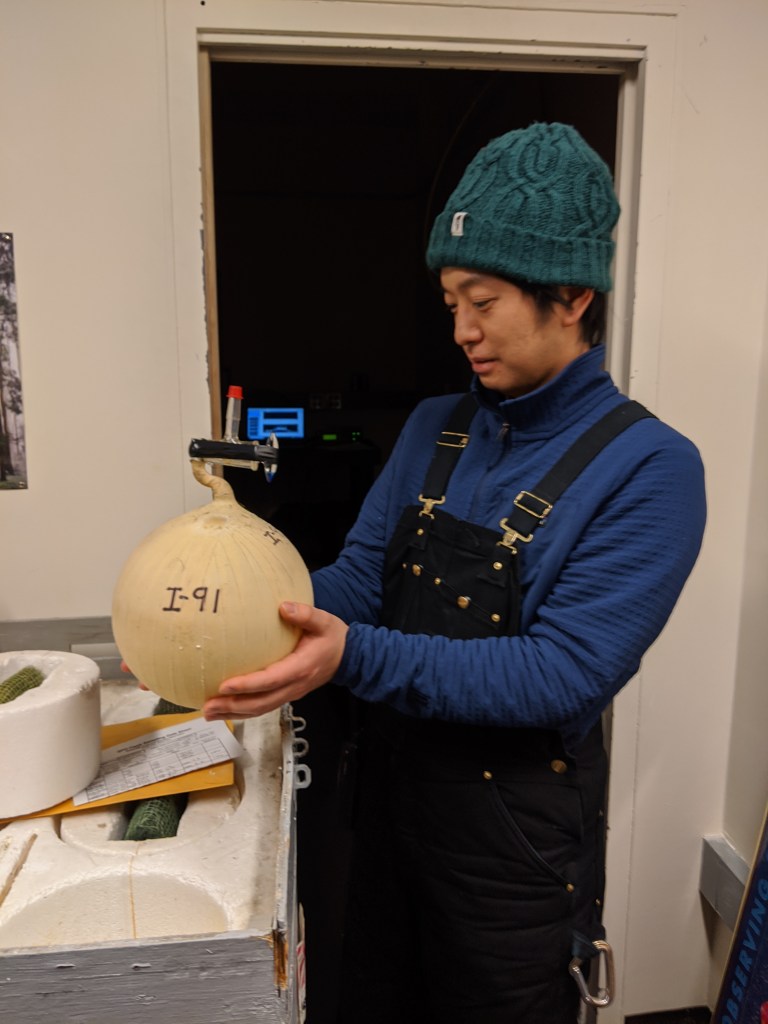
The balloons, as used by NOAA, are primarily monitoring ozone levels, but they also sense temperature, their position, and they use pressure to define their altitude. At some point, the balloons pop, and they land on the continent. In very rare cases, they can be recovered. If you’ve ever heard about the hole in the ozone, it was these balloons that provided a lot of the data (The ozone hole is getting much better now that CFC concentrations are coming down, for the record).
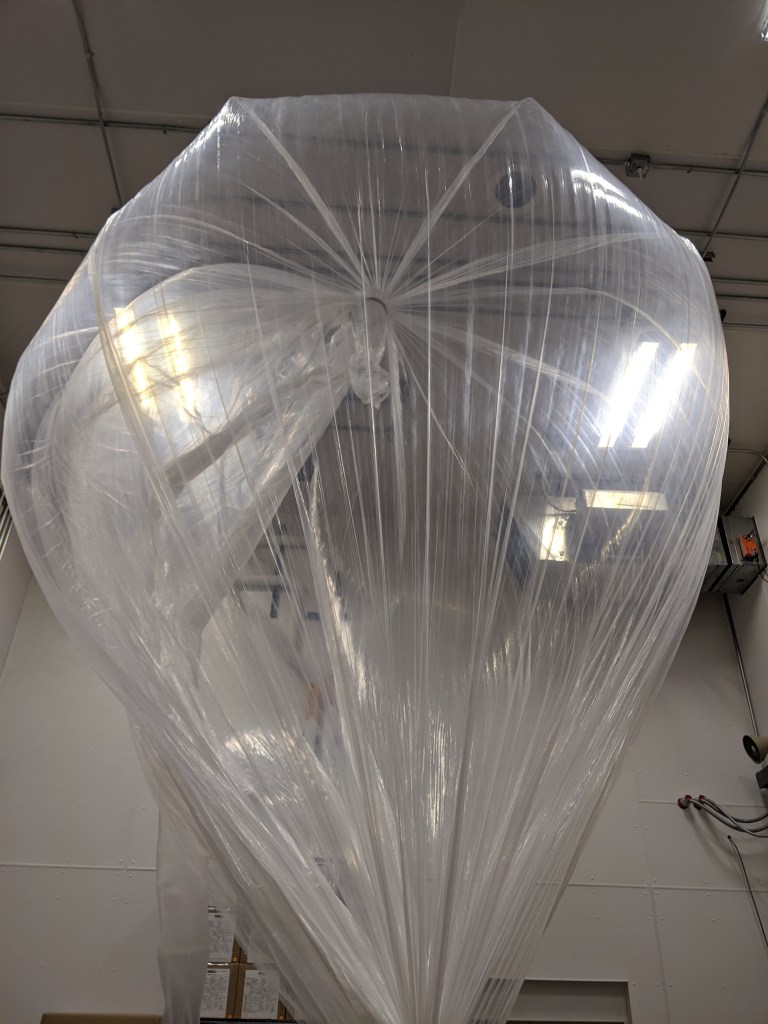
The summer balloons are made of rubber, which is cheaper than the plastic used for the winter balloons, but the the rubber won’t hold up to the cold temperatures once the sun goes down. Otherwise, the data is roughly the same.
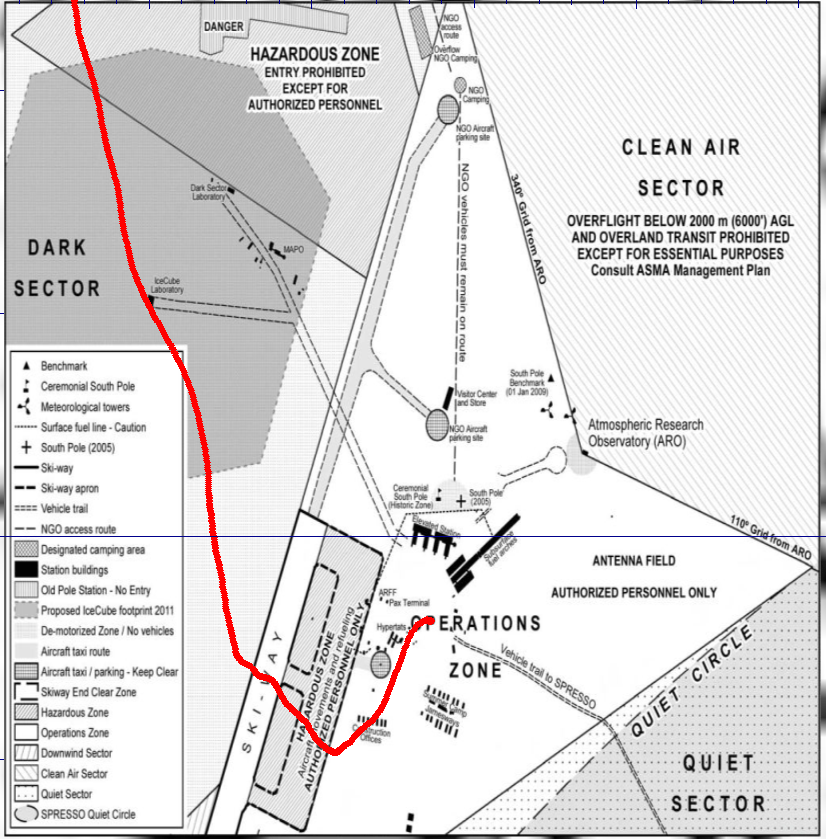
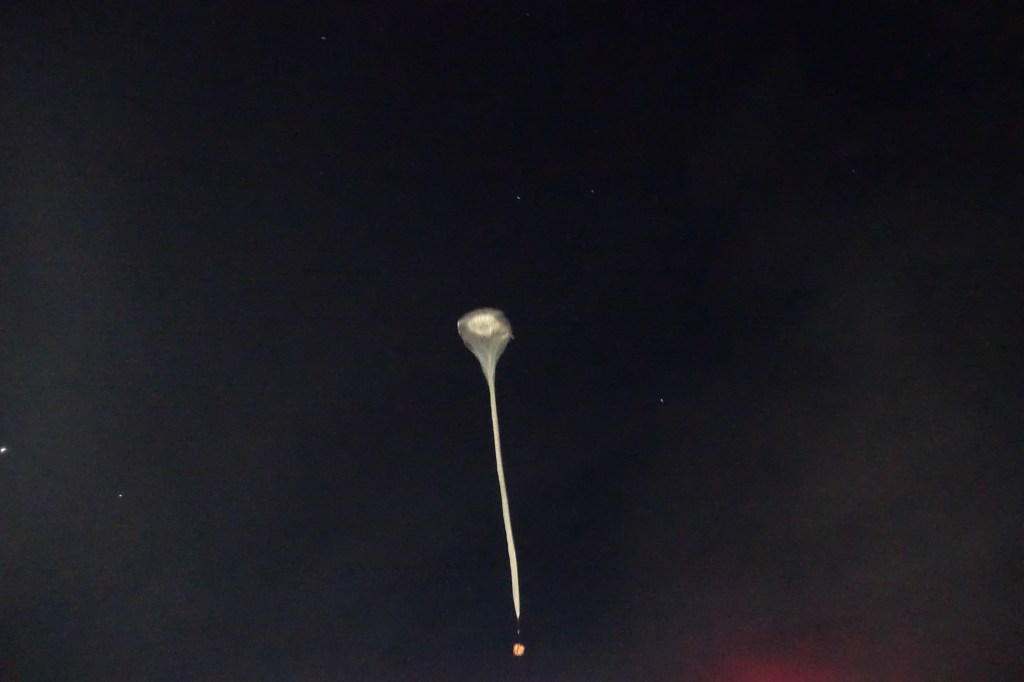
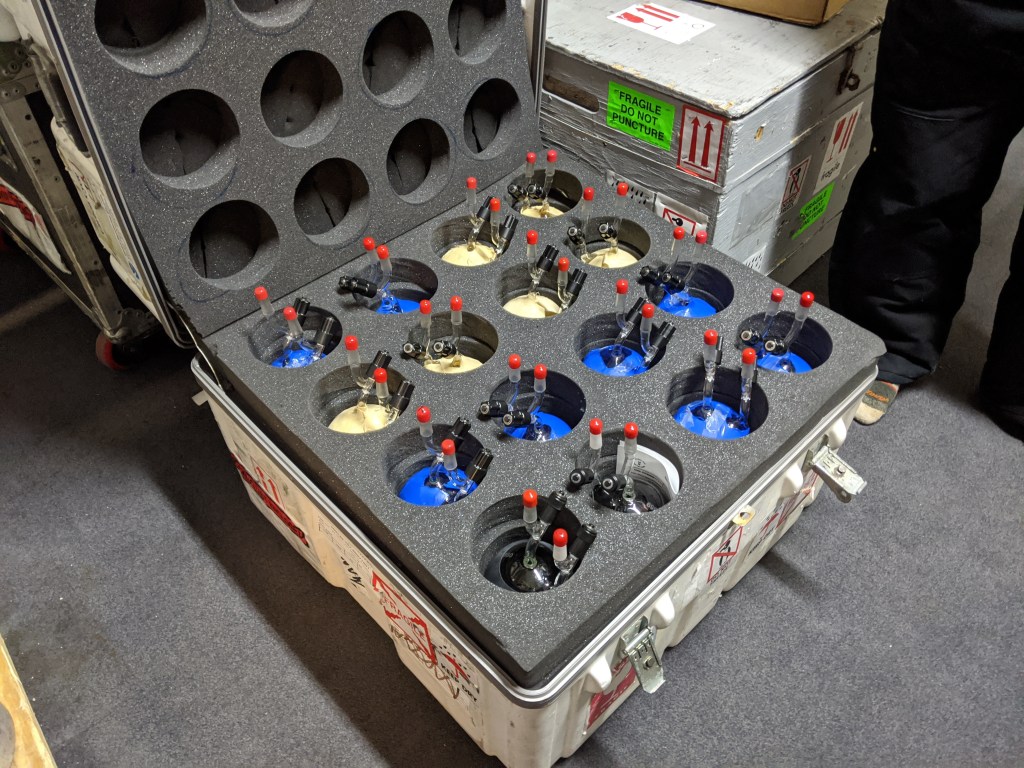
In addition to monitoring the ozone layer, NOAA monitors all sorts of trace (and increasingly less trace) atmospheric gases at the “Atmospheric Research Obsrvatory”. The have a large number of in place instruments to measure gases, they take a number of samples to be sent north for analysis, and they also have a Dobson unit to measure a column density of ozone for cross checking. In addition, you can get a sample of the “cleanest air in the world”. You’ll not that the “Clean air sector” is grid north of the station. The wind blows south, so most of the time, the air reaching ARO has not been near humans for hundred and hundred of miles.
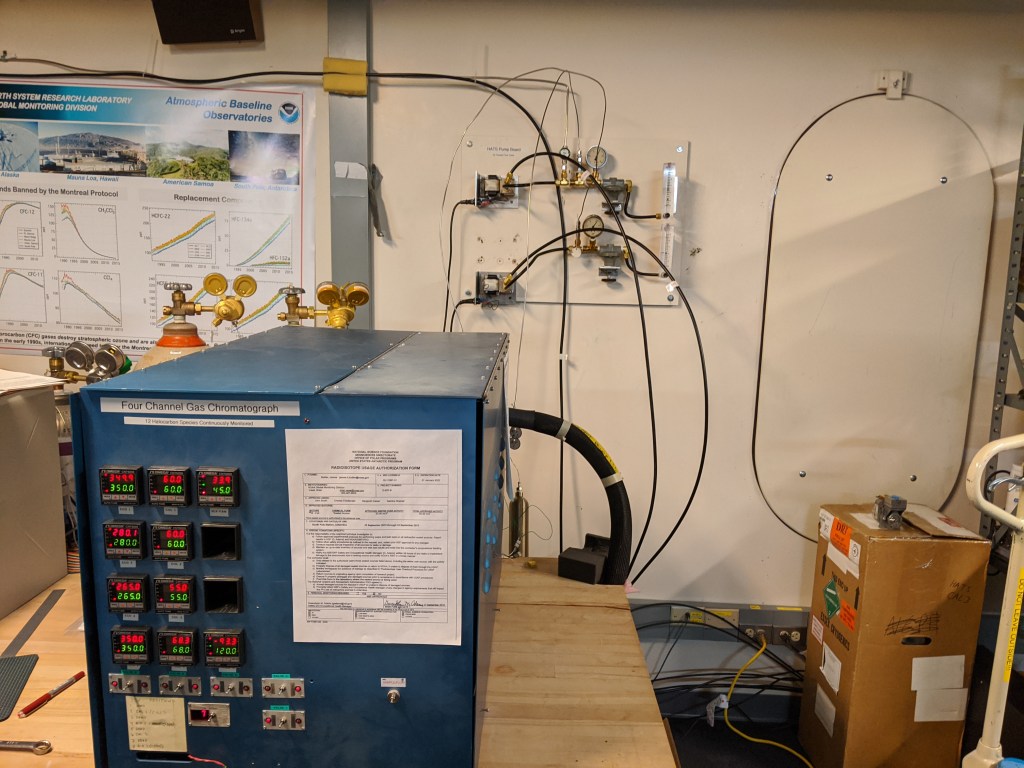
Behind the chromatagraph, you can see plots of the concentrations of various CFC and their replacements – the science here is very long term, but it is incredibly useful to understand what effect humans are having on the atmosphere.

The Dobson unit uses the ratios of 2 different wavelengths to determine the ozone above it – it needs a light source, though, and often has to be manually pointed at the moon in the winter.
The ancient glass above is no longer state of the art, but it still used for measurement in order to have an unbroken measurement chain with the same devices. This lets them make the decades long plots for all of the science. The plots for CO2, I’m sorry to report, are still going up.
 Turation